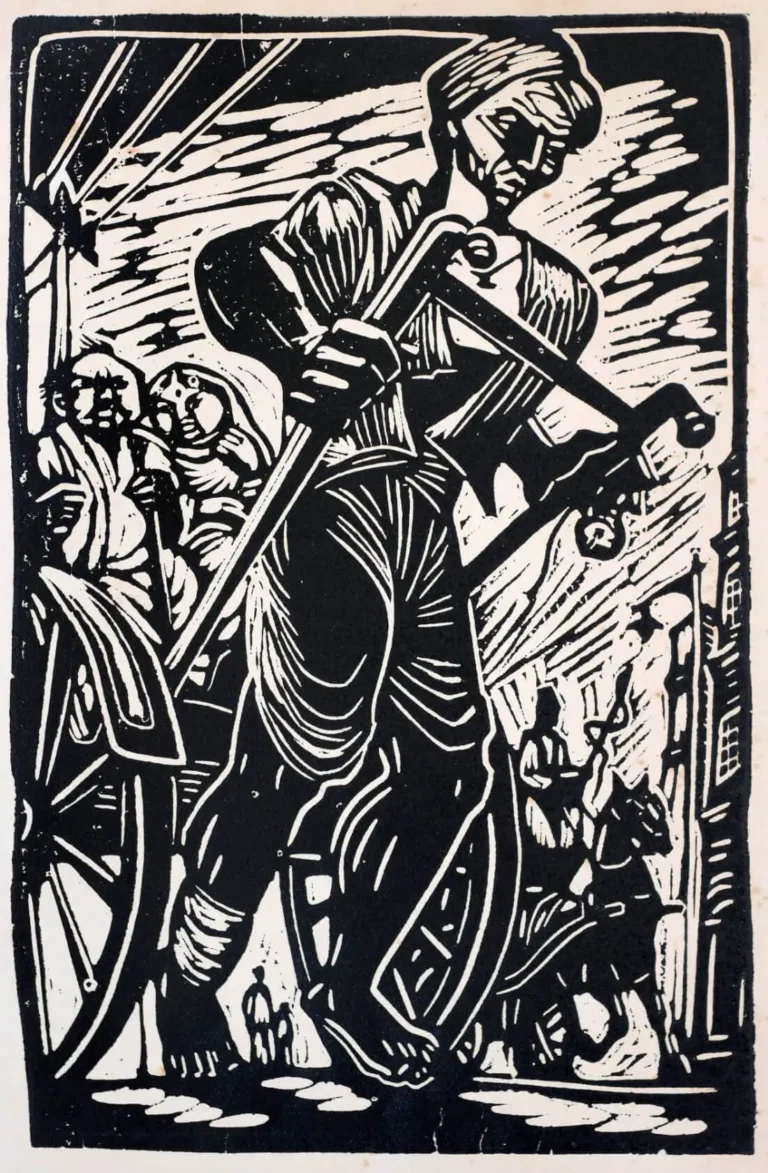
In the debate about the nature and function of the cinema two of the most confused and misused terms to be found are “art” and “politics”. Given the enormity of everyday oppression and injustice in our country, the cinema can no more be an instrument of art than was Nero’s fiddle. Indeed the word “art” needs to be rescued from those who would elevate it to a context-free absolute and recognized for what it is — a historically determined process, a product of the value system of the dominant class of the times. The term “political” in relation to the cinema has been used in an equally diffuse and non-specific way. The situation we find ourselves in forces us to take sides. To be apolitical is to condone and therefore reinforce the system as is. And yet that which does not challenge the system as is or even actively abets it is rarely seen to be “political” whereas that which attempts to question its legitimacy is immediately so labelled. What is necessary then [is] a redefinition of terms to accommodate the scope of those who wish to create not just a new series of images on a screen but become a part of a process for the creation of a new social order. Art would then be defined as an affirmation of the highest form of humanism and politics as the conscious choosing of sides between those who fight for their rights and those whose existence depends on depriving others of these rights. Art and politics would then be seen as inseparable with every artist a revolutionary and every revolutionary an artist.